Why Mileage is Not the Whole Story
The Motorway vs. City Mileage Distinction
Not all kilometres are equal, and understanding how a car accumulated its mileage is critical. A car that has spent the majority of its life on motorways will typically be in far better mechanical condition than one used predominantly for short urban journeys, regardless of what the odometer reads.
Motorway driving allows the engine to reach and maintain its optimal operating temperature, which reduces internal wear significantly. Brakes, clutches, and gearboxes are also subjected to far less stress at steady speeds than in the constant stop-start conditions of city driving. For diesel vehicles in particular, regular motorway use helps prevent the build-up of soot in the diesel particulate filter, a costly repair if neglected.
By contrast, a car with a modest mileage figure that has spent years navigating urban traffic may have considerably more wear on its mechanical components than its mileage reading suggests. Low mileage is not synonymous with low wear.
The Risk of Clocking
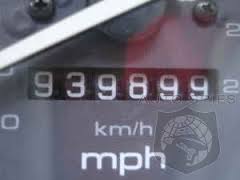
A further reason not to rely on mileage alone is the ongoing risk of odometer/mileage fraud, commonly known as clocking. Clocking involves the deliberate alteration of a vehicle's odometer to display a lower reading, making the car appear more valuable than it is. Despite being illegal in Ireland, it remains a persistent problem in the used car market.
At MotorCheck, our car history checks cross-reference current odometer readings against historical data including previous NCT records and service entries to identify any discrepancies. A car that appears to have low mileage on the forecourt may tell a very different story once its full history is examined.
Why Vehicle History Matters More Than Mileage
The most reliable way to assess the true condition and value of a used car is to look beyond the odometer and examine the vehicle's full history. A comprehensive car history check will reveal whether a car has been regularly serviced, whether it has previously been written off or declared a total loss, whether there is any outstanding finance attached to it, and whether its mileage readings are consistent across all recorded data points.
A car with a thorough, verifiable service history, regardless of its mileage, is a far safer purchase than one with a clean odometer and no supporting documentation. Consistent servicing at the correct intervals is the single greatest indicator of how a car has been cared for, and it is the information that experienced buyers and motor trade professionals rely on most.
Before committing to any used car purchase in Ireland, running a MotorCheck vehicle history report is one of the most straightforward and cost-effective steps you can take to protect your investment.
Frequently Asked Questions (FAQs)
How many kilometres is considered good mileage for a used car in Ireland?
The average driver in Ireland covers between 15,000 and 20,000 kilometres per year. As a general guide, multiplying a car's age by this figure gives a reasonable benchmark for expected mileage. However, given that modern vehicles are built to last well in excess of 300,000 km with proper maintenance, mileage should always be assessed alongside service history rather than in isolation.
Is a 10-year-old car with low mileage a good buy?
Not necessarily. A low odometer reading on an older vehicle can indicate that the car was used predominantly for short urban journeys, which places more strain on the clutch, brakes, and suspension than steady motorway driving. Very low mileage can also be a warning sign of odometer tampering. A MotorCheck history report will help verify whether the mileage is consistent with the car's recorded history.
Which is better: high mileage on motorways or low mileage in the city?
In most cases, a car with higher motorway mileage will be in better mechanical condition than one with lower city mileage. Motorway driving is considerably less demanding on a vehicle's components and allows the engine to operate efficiently at a stable temperature. The key question is always how the mileage was accumulated, not simply how much there is.
How can I check if a used car's mileage is genuine?
The most reliable method is to run a comprehensive vehicle history check through MotorCheck. Our reports cross-reference the current odometer reading against all available historical data, including NCT records and service history entries, to highlight any inconsistencies that may indicate clocking or odometer fraud.
 by Michael Rochford