Insurance Write-Off Categories in Ireland: A Buyer’s Guide
- 09 Jun 2026
- in Help & Advice
- by Michael Rochford
Imagine handing over thousands of euro for a used car, only to discover months later that it was once so badly damaged an insurer wrote it off, and nobody told you. It happens more often than most Irish buyers realise, and as cars grow more mechanically and electronically complex, the number of write-offs on Irish roads keeps climbing.
“Written off” has become everyday shorthand for a car that’s been in a serious accident. But it also carries a precise legal meaning. Or, more accurately, four of them. Knowing the difference between Category A, B, C and D is the single best way to protect yourself from overpaying for a car with a hidden past.
This guide explains what each write-off category means, which cars are safe to buy, how to spot a salvage car a seller is trying to hide, and what to do if you find out about a write-off after the deal is done.
What does it actually mean when a car is “written- off”?
A car is written-off when an insurer decides the cost of repairing it is more than the car is worth. That sounds dramatic, but it doesn’t always mean a wreck. Insurers work on a repair-to-value ratio, so on a newer or lower-value car, even relatively light cosmetic damage can tip it over the line and make repair “uneconomical.”
In other words, a written-off car isn’t automatically an unsafe one. Some are fit only for scrap; others have been repaired to a high standard and are perfectly roadworthy. The category assigned to a car tells you which is which, so that’s where any buyer should start.
The four write-off categories in Ireland explained
Ireland uses four categories, running from most to least serious:
- Category A: scrap only. The most serious. The car is so badly damaged it can never safely go back on the road. It must go to an Authorised Treatment Facility (ATF) to be scrapped, and even surviving parts cannot be reused.
- Category B: body shell crushed. Still beyond repair as a whole car. It must also be scrapped at an ATF and the chassis crushed, but salvageable parts can be removed and sold on as spares. A Category B car can never legally return to the road.
- Category C: repairable, but expensive. Seriously damaged, and the insurer judged repair uneconomical, but the car can be restored to a roadworthy standard. This often happens when an owner buys back their own car and funds the repairs themselves.
- Category D: minor, but written-off anyway. The least serious. The repair might be relatively small, sometimes only cosmetic, but it still cost more than the car was worth. These cars can be repaired and safely returned to the road.
The key dividing line for buyers: Category A and B cars should never be on the road at all whereas Category C and D cars legally can be repaired and are then eligible to be back on the road.
Should you avoid buying a written-off car?
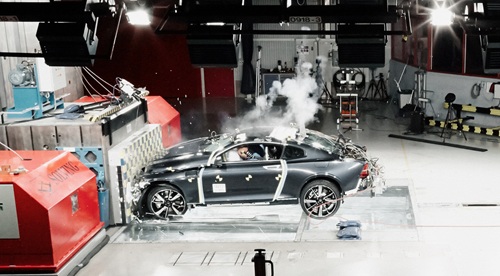
Not necessarily, but it depends entirely on the category.
For Category A and B, the answer is simple: yes, these must be avoided. If one of these is being offered to you as a roadworthy car, that’s a serious legal offence. The good news is there’s a central database of Category A and B vehicles, and those show up on a vehicle history check, so a quick check before you buy rules them out entirely.
Category C and D are less clear-cut. There’s no central database for these (despite repeated calls to create one), so they won’t reliably appear on a history check. A reputable dealer or private seller should tell you up front if a car is a repaired salvage, and will usually price it 20–40% below an equivalent car with no such history. A Cat C or D car can be a genuine bargain if, and only if:
- The repairs are fully documented.
- The work was carried out to a high standard.
- It was inspected and signed off by a recognised vehicle engineer after the repair.
Be aware that a repaired write-off will always be worth less when you come to sell it on.
How to spot a hidden Category C or D car
These cars don’t always show up on a history check so a careful pre-sale inspection is your best defence. Watch for:
- Overspray: fresh paint sitting on top of original paintwork, often around the edges of panels, rubber seals or trim.
- Panel gaps that don’t line up evenly from one side of the car to the other.
- A steering wheel that sits off-centre when the front wheels are pointing straight ahead.
- Any signs of previous repair the seller hasn’t mentioned.
The single most useful step is to ask the seller if you can have the car assessed by a professional vehicle engineer. A seller with nothing to hide will happily agree. If they refuse or get defensive, treat that as a red flag and walk away.
What to do if you find a written off car
If you come across a car being sold dishonestly, here’s how to respond:
- Category A or B on the road: report it to the Gardaí, as these cars are not allowed back in use under any circumstances.
- Undeclared Category C or D: if a seller isn’t disclosing it, you can report them to the Competition and Consumer Protection Commission (CCPC).
- Spotted it before buying: walk away, quickly.
- Discovered it after buying: contact the CCPC for advice on your consumer rights, and tell your insurance provider straight away.
What about cars imported from the UK?
With so many used cars coming into Ireland from the UK, this matters. The reassuring part is that MotorCheck’s database covers UK-registered cars and a check will flag a write-off arriving via the import route.
One thing to know: the UK has changed its categorisation of written-off cars. Categories A and B mean the same in both countries, but the UK has replaced the old C and D with S (structural) and N (non-structural) damage. A MotorCheck history check can help you spot these imported write-off markers, as well as flagging mileage discrepancy and outstanding finance on both Irish and UK vehicles.
Protect yourself before you buy
Before buying a car, it is important to remember:
- A written-off car isn’t always unsafe, but Category A and B cars should never be driven, while C and D can be roadworthy if properly repaired.
- Category A and B show up on a history check; C and D often don’t, so pair a check with a professional inspection.
- A genuine repaired write-off should come with full documentation and a clear discount. If there is no paperwork, do not proceed with the purchase.
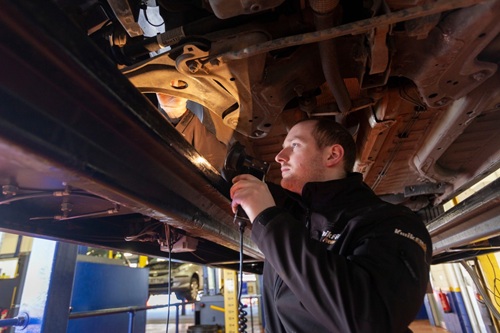
Before you buy any used car in Ireland, run a car check and, where there’s any doubt, get an independent engineer’s inspection. A few euro and an afternoon now can save you thousands later.
Frequently Asked Questions
Can you legally drive a written-off car in Ireland?
It depends on the category. Category A and B cars must be scrapped and can never legally return to the road. Category C and D cars can be driven, but only once they’ve been properly repaired to a roadworthy standard.
Does a write-off show up on a car history check?
Category A and B write-offs do, because they’re held on a central database that appears on a MotorCheck report. Category C and D cars aren’t recorded centrally in Ireland, so they may not show up, which is why a physical inspection still matters.
Is it more expensive to insure a car that was previously written off?
It can be more expensive to ensure a written off car. Some insurers charge more to cover a repaired write-off, and a few may be reluctant to insure one at all. It’s worth getting an insurance quote before you commit to buying, so there are no surprises.
Should I ever buy a Category C or D car?
You can, and it can save you money, but only if the repairs are fully documented, carried out to a high standard, and signed off by a qualified vehicle engineer. Bear in mind it will be worth less when you sell it on, so the price should reflect that.
How much cheaper should a repaired write-off be?
As a rough guide, a Category C or D car is typically sold 20–40% below the price of an equivalent car with no write-off history. If the discount is small, the saving may not be worth the future resale value.
What’s the difference between Irish and UK write-off categories?
Categories A and B mean the same in both countries: scrap only. The difference is in the less serious car write-off categories: Ireland still uses C and D, while the UK now uses S (structural damage) and N (non-structural damage). Both systems flag on a MotorCheck report for imported cars.
What should I do if I find out the car I bought was a hidden write-off?
Contact the Competition and Consumer Protection Commission (CCPC) for advice on your consumer rights, and notify your insurer right away. If the seller knowingly hid it, you may have grounds for a complaint or a refund.
 by
by